This 1986 album saw Depeche Mode fully embrace a darker, more industrial and gothic sound, moving away from their earlier synth-pop roots. It marked a significant artistic statement, solidifying their moody aesthetic and mature songwriting.
- "Black Celebration" was recorded at Sound Gallery and Konk Studios in London. The album was produced by the band and Gareth Jones. It reached number 4 in the UK Albums Chart.
- Despite being a pivotal album in their discography, "Black Celebration" was the first studio album not to produce any Top 20 singles in the UK. The single "Stripped" was notably banned by the BBC for its perceived suggestive use of sampled sounds. Its themes of obsession, dark romance, and societal alienation resonated with a growing international fanbase.
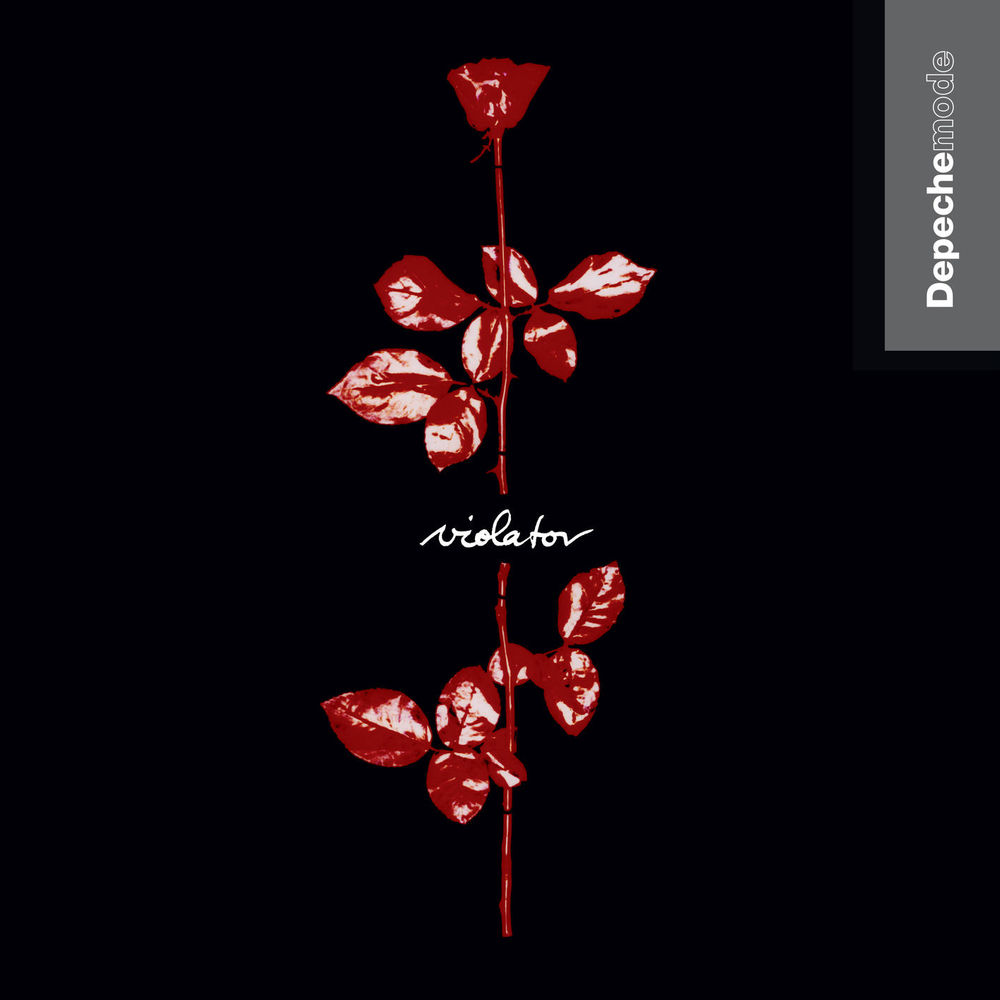
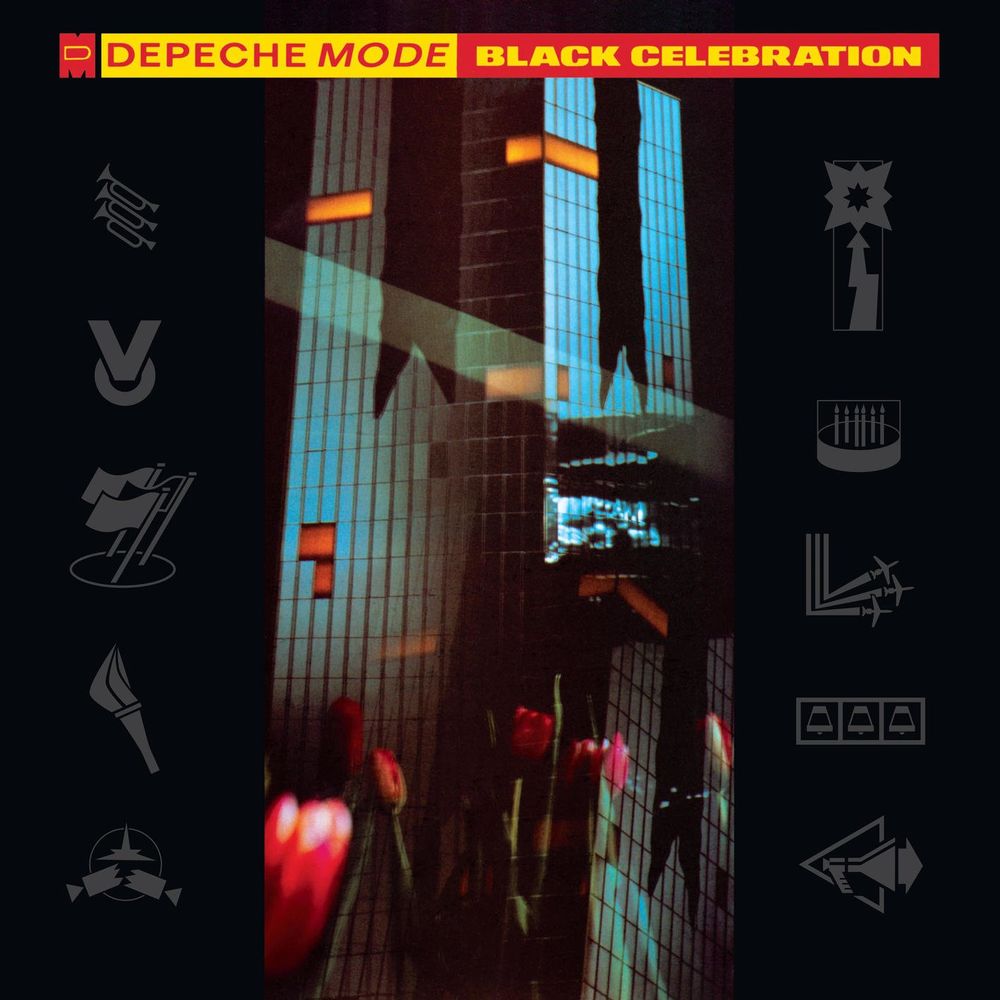
- The album's cover art, featuring a dark, minimalist design with a single rose, became iconic for the band. Its influence can be heard in numerous alternative and industrial acts that followed. The band embarked on the "Black Celebration Tour" to support the album, further developing their stage show and visual identity.
Depeche Mode are a British electronic band formed in Basildon in 1980. They are best known for their distinctive brand of synth-pop, evolving into darker, more experimental electronic sounds. In 1986, Depeche Mode were at a transitional point in their career, having recently moved to Mute Records and seeking a more mature and darker sound.
Tracklist