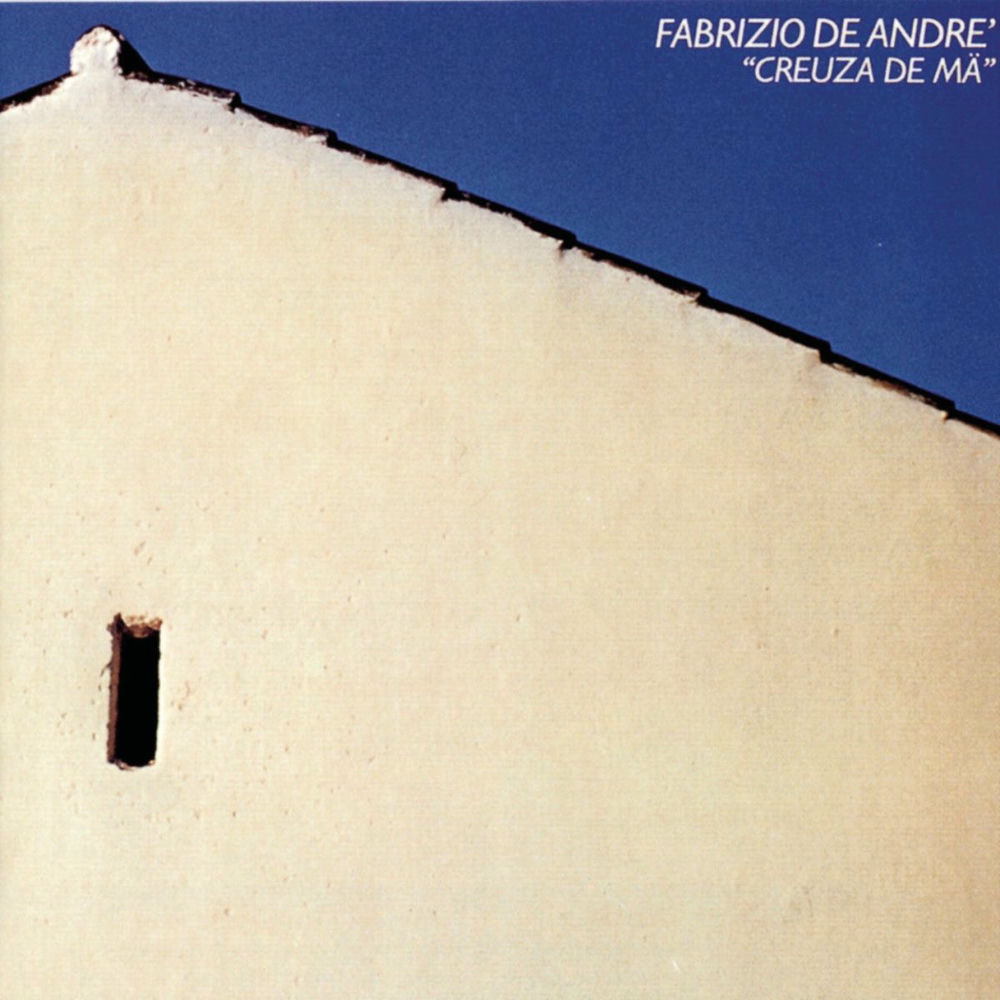
This 1970 concept album retells the apocryphal Gospels of the New Testament from the perspective of the women involved. It is a stark departure from his earlier work, showcasing De André's growing interest in complex narratives and his unique, often controversial, theological interpretations.
- The album's concept is built around the apocryphal Gospels, focusing on the female figures in Jesus's life, such as Mary Magdalene and Salome.
- Ricordi, De André's label at the time, initially had reservations about the album's religious themes and De André's unconventional interpretations.
- The album was arranged and conducted by Gian Piero Reverberi, and features some of De André's most enduring songs, including "Bocca di Rosa" and "Il pescatore," although these were not originally on "La buona novella."
Fabrizio De André was a Sardinian-born singer-songwriter deeply rooted in the Italian folk and progressive rock scenes. He was known for his poetic lyrics, often exploring themes of anarchy, religion, and the lives of outcasts. "La buona novella" marked a significant conceptual leap for De André, moving towards more complex narrative structures and thematic depth, and arrived after his initial success in the late 1960s.
Tracklist