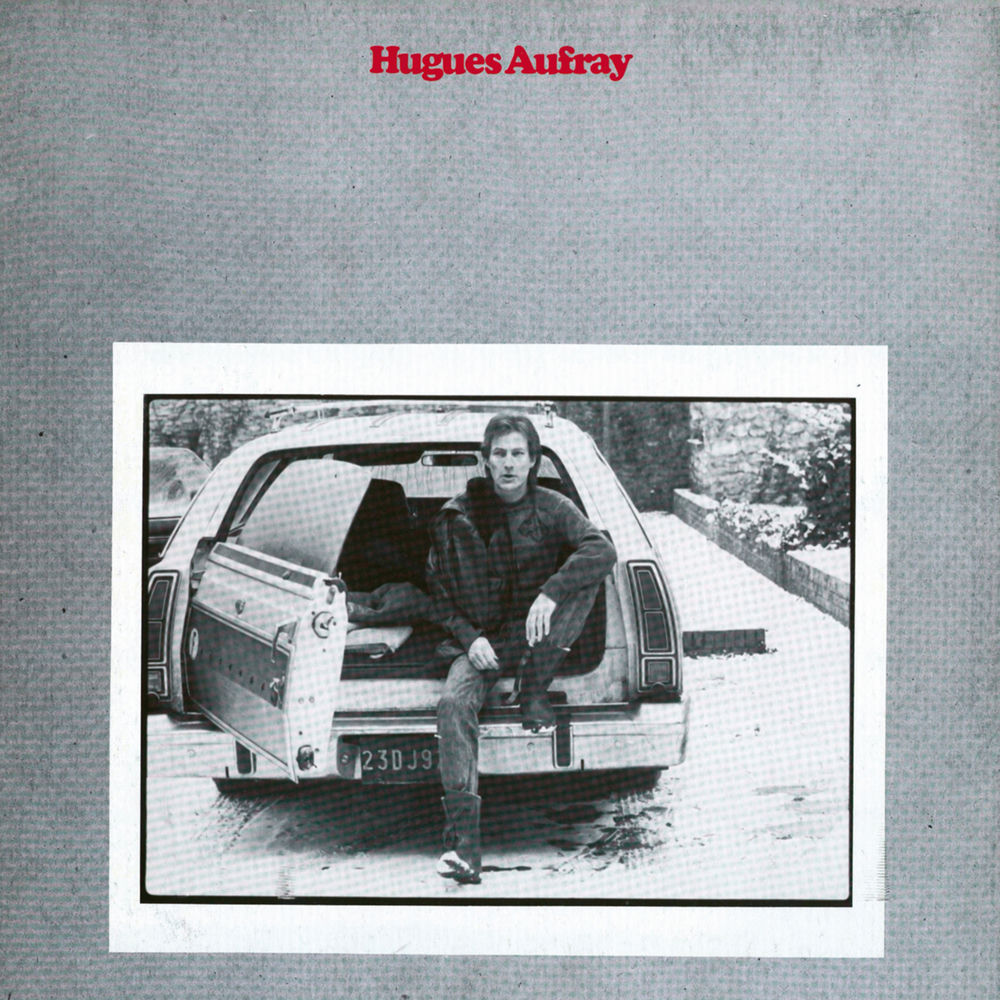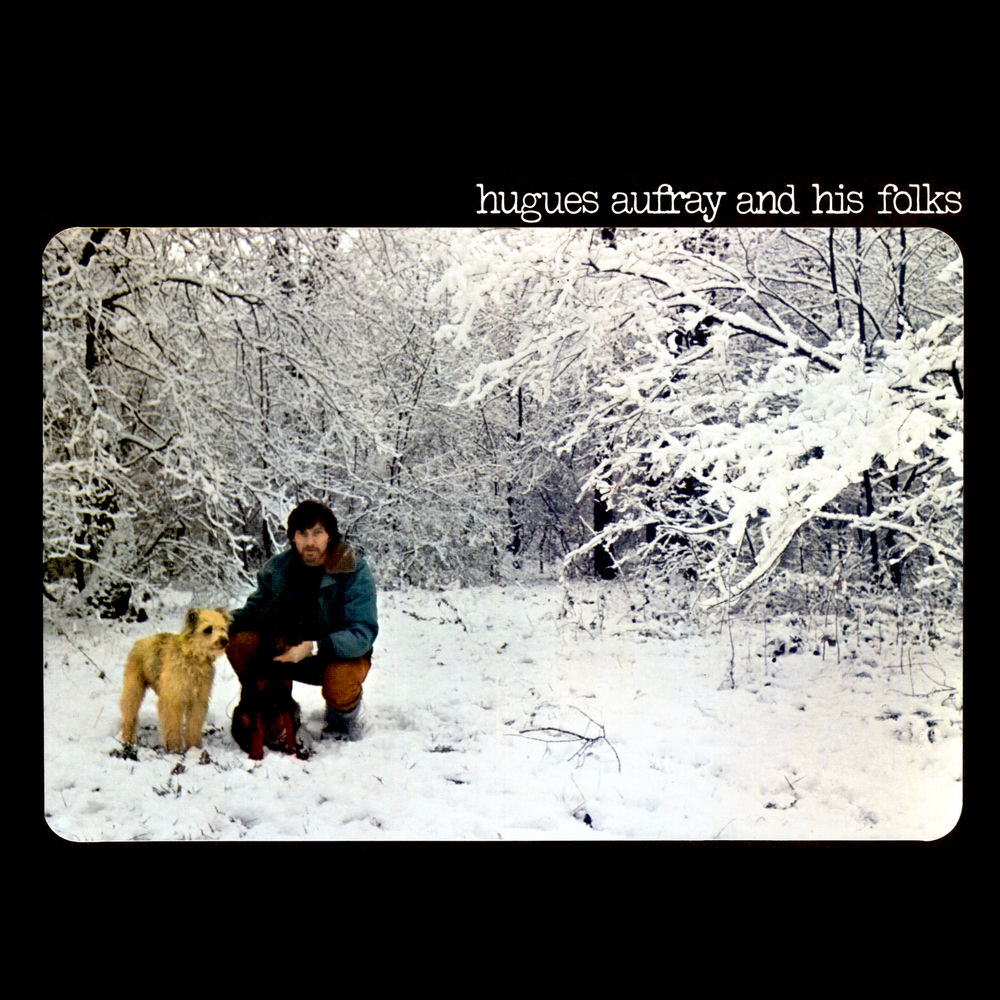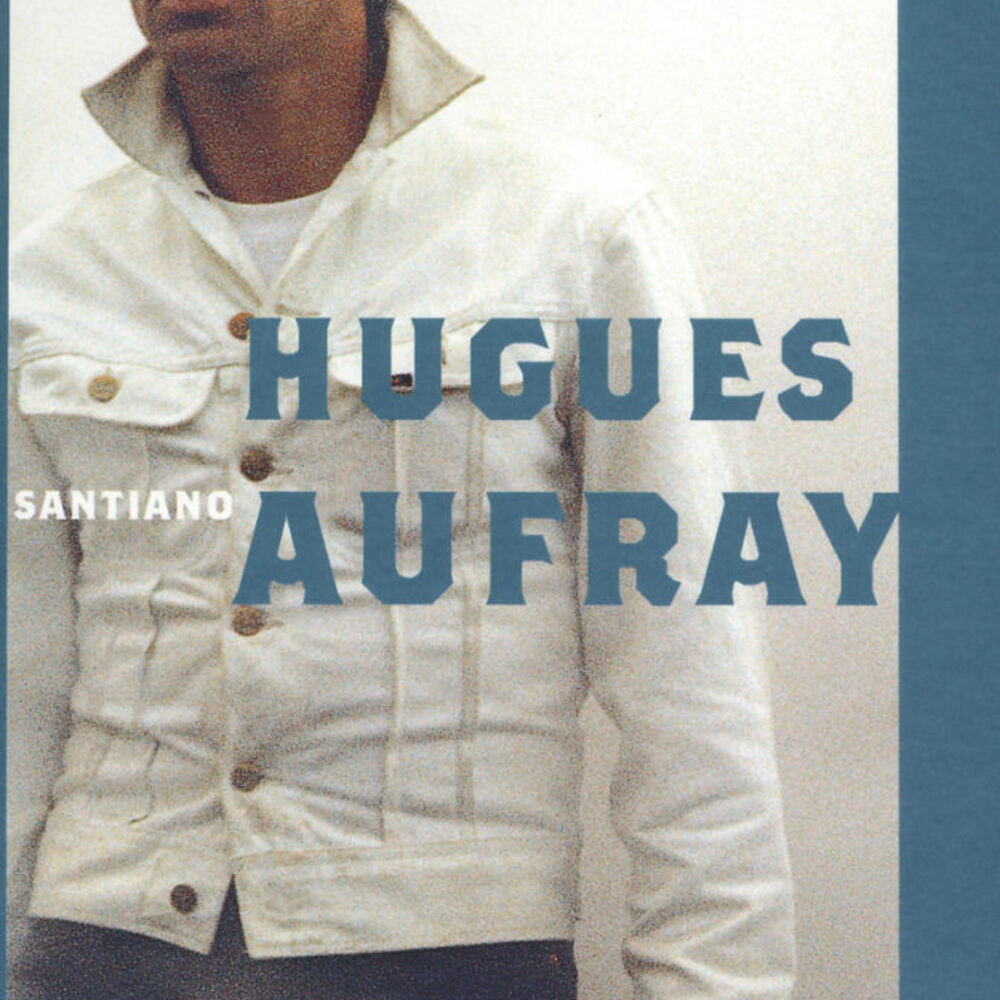
The 1961 debut album 'Santiano' introduced Aufray's signature blend of folk, maritime themes, and world music influences to a wider audience. It captures the artist at the outset of his career, establishing the sound that would define his early success.
- The title track, "Santiano," became one of Aufray's most enduring hits, charting in France and internationally. The album was released by Fontana Records, a label known for its diverse roster of popular music artists. It laid the groundwork for Aufray's subsequent success throughout the 1960s and beyond.
- The album's sound, characterized by acoustic arrangements and Aufray's nasal vocal delivery, stood in contrast to the prevailing pop trends of the era. Aufray had previously released several singles, but 'Santiano' marked his first full-length statement as a recording artist. It was recorded in Paris, showcasing Aufray's developing artistic identity.
- The release cemented Aufray's status as a significant voice in French folk music. He would go on to represent France in the Eurovision Song Contest in 1964. This album is a cornerstone of his early discography.
Hugues Aufray is a French singer-songwriter known for his folk music, often drawing on traditional or world music influences. He rose to prominence in the early 1960s with a distinctive vocal style and poetic lyrics.
Tracklist