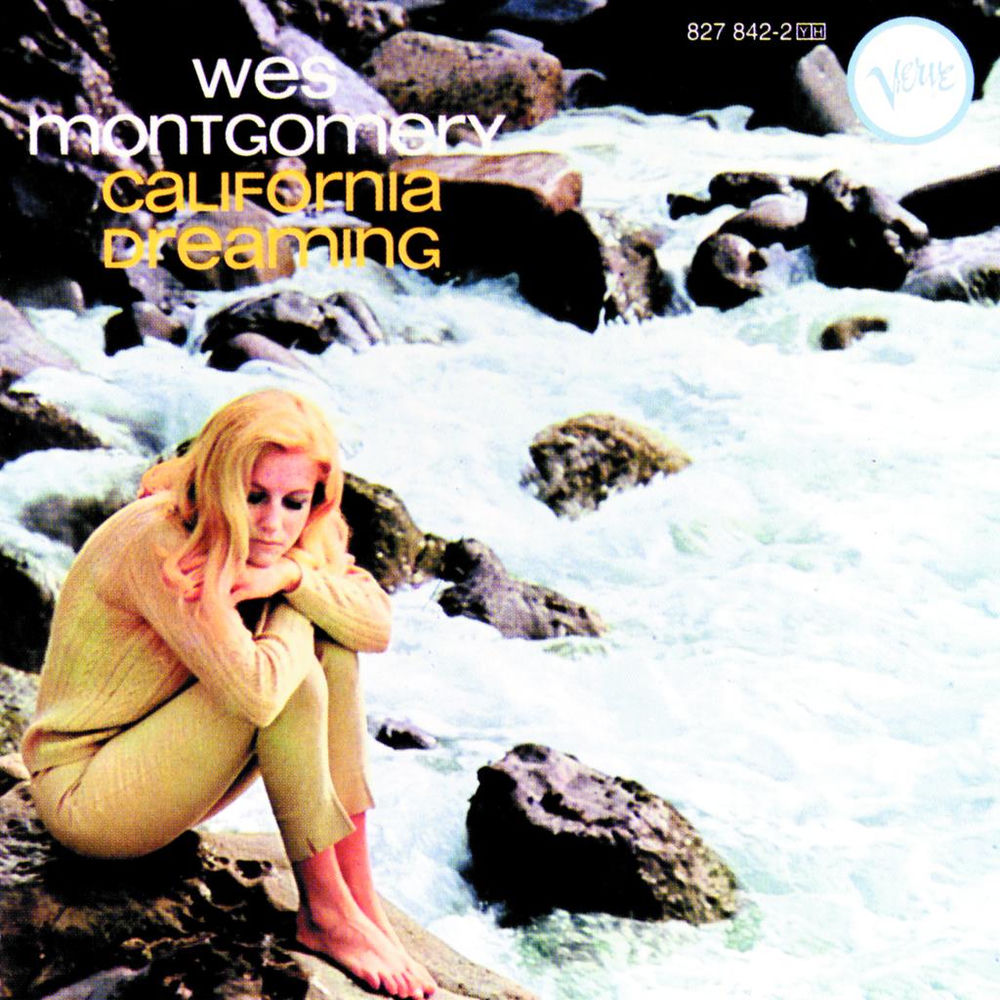
This 1966 album, the guitarist's third for Verve, leaned heavily into the soul-jazz sound that would define his commercial peak. It featured a prominent role for the Wurlitzer electric piano, played by Roger Kellaway.
- Recorded in New York City, the album was produced by Creed Taylor, who had previously worked with Montgomery on his Cannonball Adderley collaboration. Its most famous track, "I Saw a Tear," was a minor hit on the R&B charts. The album reached number 15 on Billboard's jazz album chart.
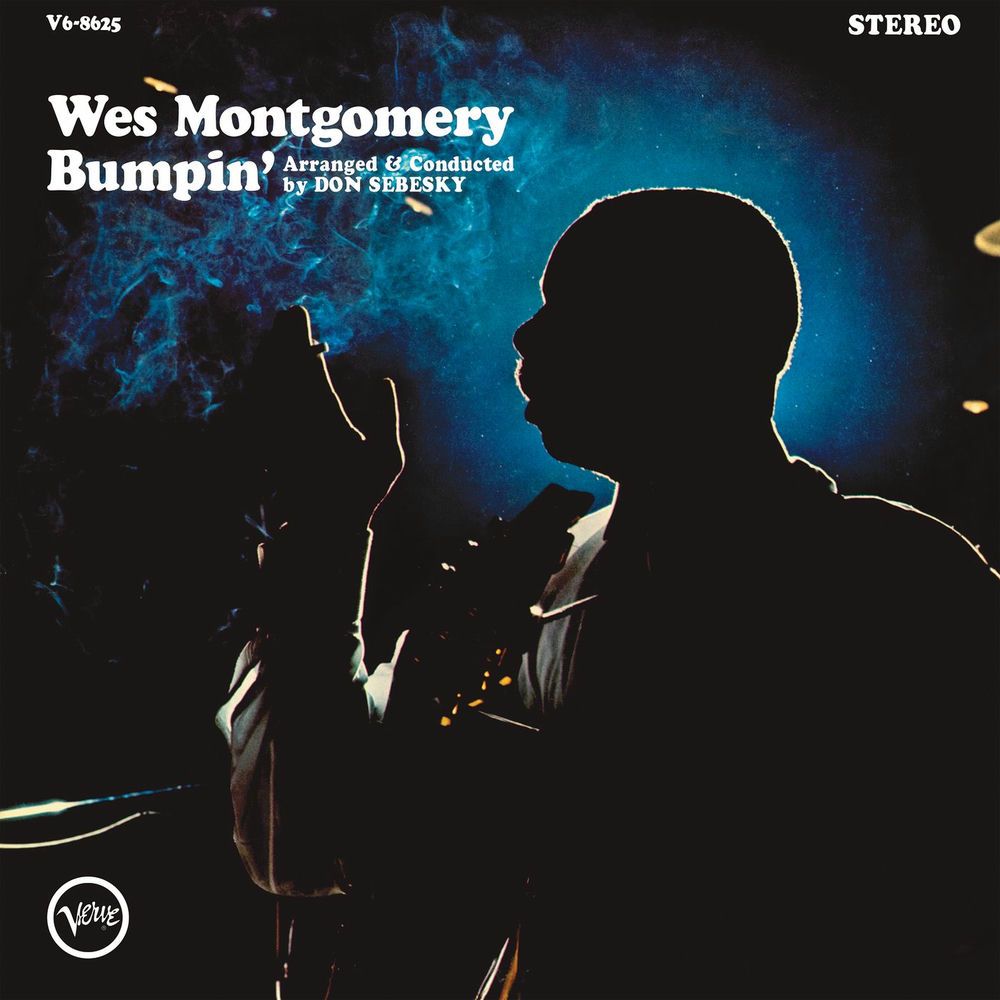
- The album's repertoire included jazz standards, contemporary pop covers, and original compositions. Several tracks featured lush string arrangements by Don Sebesky, adding to the polished, commercial sound. Montgomery's signature octave playing is present throughout, though often in service of more pop-oriented melodies.
- Though a commercial success, some critics viewed "California Dreaming" as a move away from the harder-edged jazz of Montgomery's earlier career. It nonetheless cemented his crossover appeal, bridging the gap between jazz and popular music for a wider audience.
Wes Montgomery was an influential American jazz guitarist, known for his uncanny ability to play melodies in octaves. He transitioned from a mainstream jazz audience to wider popularity with soul-jazz recordings in the mid-1960s.
Tracklist