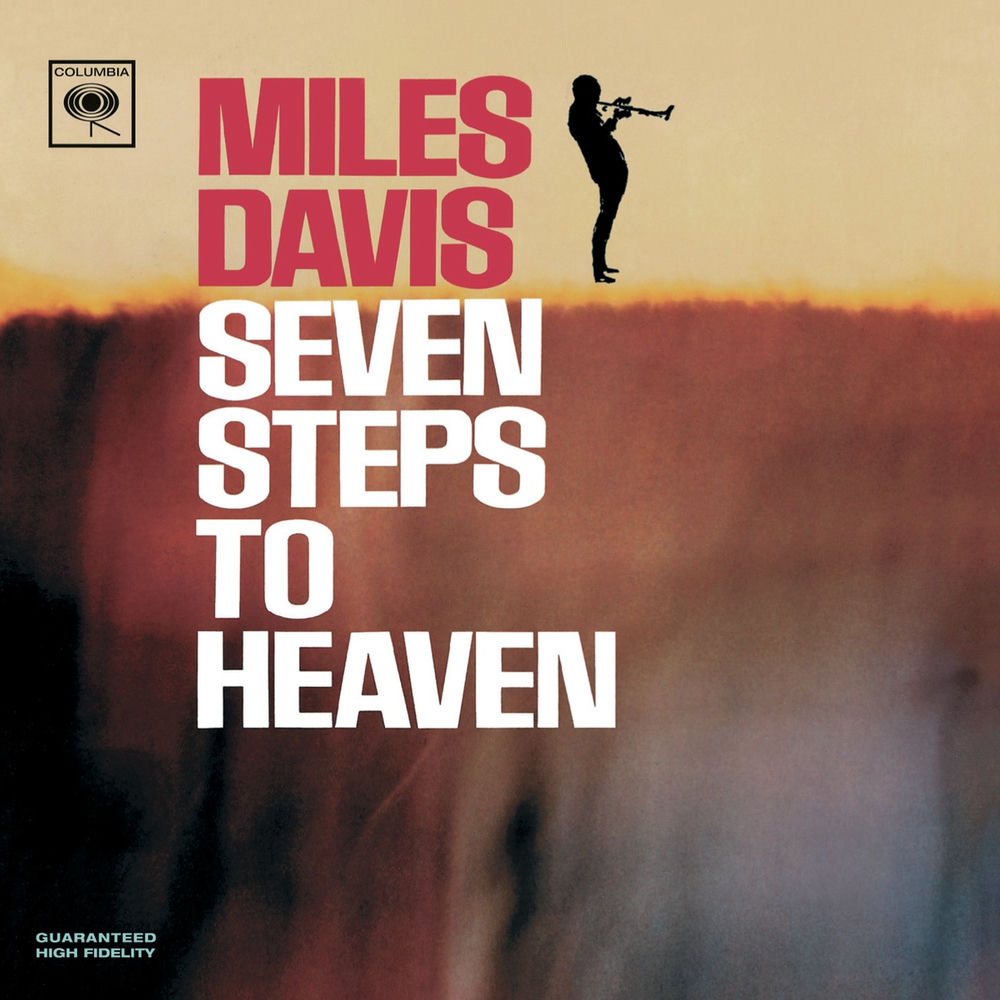
Recorded in late 1963, "Seven Steps to Heaven" marked a transitional period for Miles Davis, capturing the trumpeter and his quintet in the midst of forging a new direction in jazz. The album is notable for its explorations in rhythm and harmony, laying groundwork for future innovations.
- The album was recorded over two sessions: May 27, 1963, and June 4, 1963, at Columbia's 30th Street Studio in New York City.
- George Coleman played tenor saxophone on the May sessions, but was replaced by the younger Wayne Shorter for the June sessions, whose compositions "Footprints" and "E.S.P." would become significant in the Davis repertoire.
- Upon its release, "Seven Steps to Heaven" reached number 14 on the Billboard Jazz Albums chart.
Miles Davis was an American jazz trumpeter, bandleader, and composer, widely regarded as one of the most influential musicians of the 20th century. In 1963, he was at a pivotal moment in his career, exploring new sonic territories after a period of significant personnel changes in his ensembles.
Tracklist